Le Lean management, ça fonctionne!
Travailler directement avec les gens dont nous avons besoin.
Pas d'organisation hiérarchique, mais une organisation horizontale.

Fachjan est récemment devenu “Excellent Friend” de “Bamboo Village Uganda”.
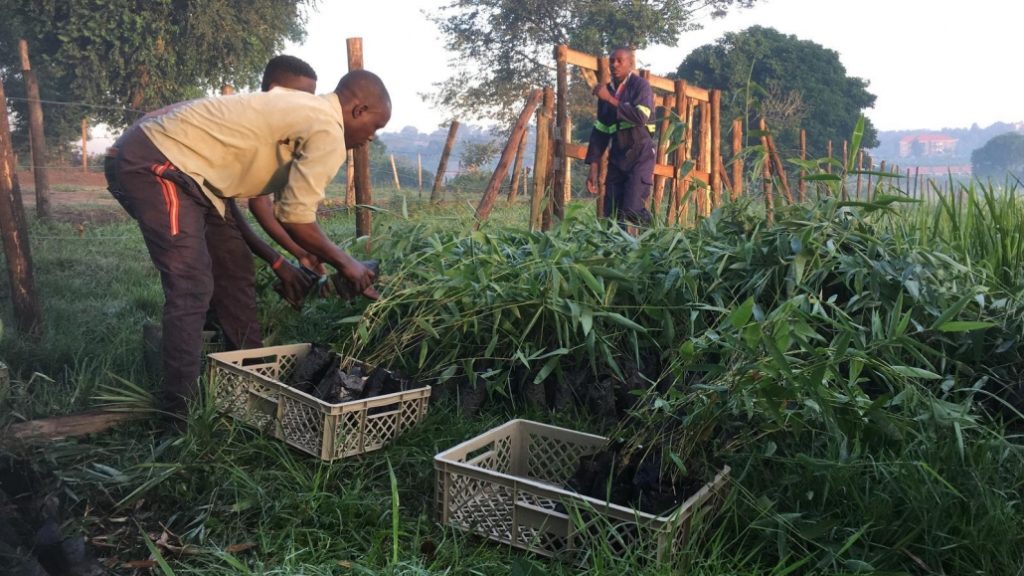
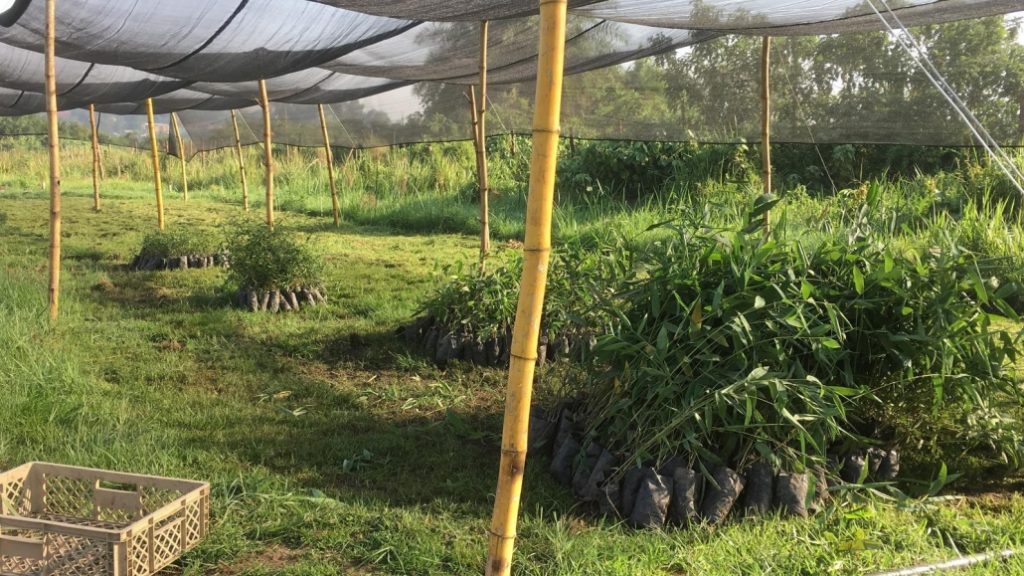
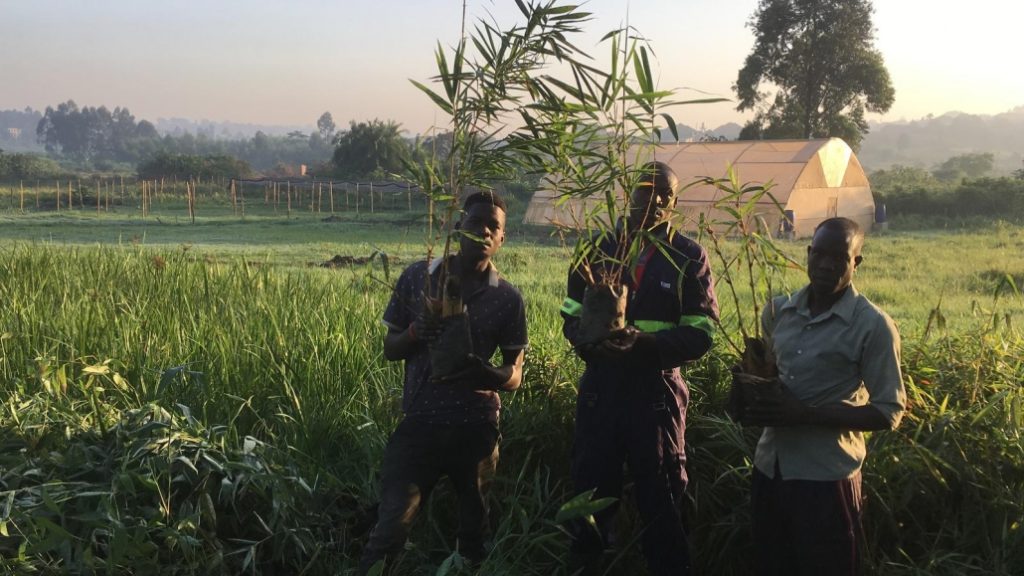
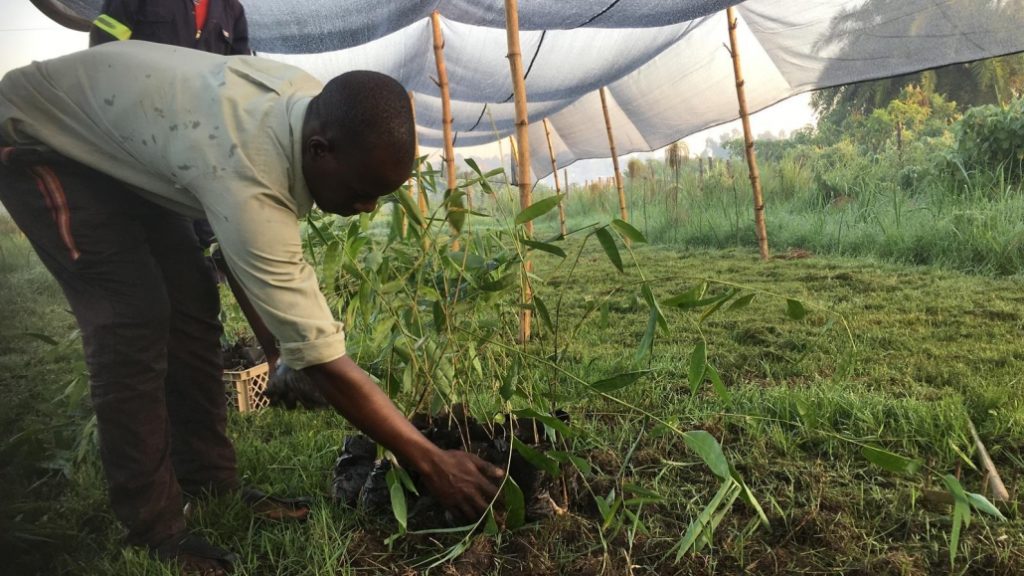
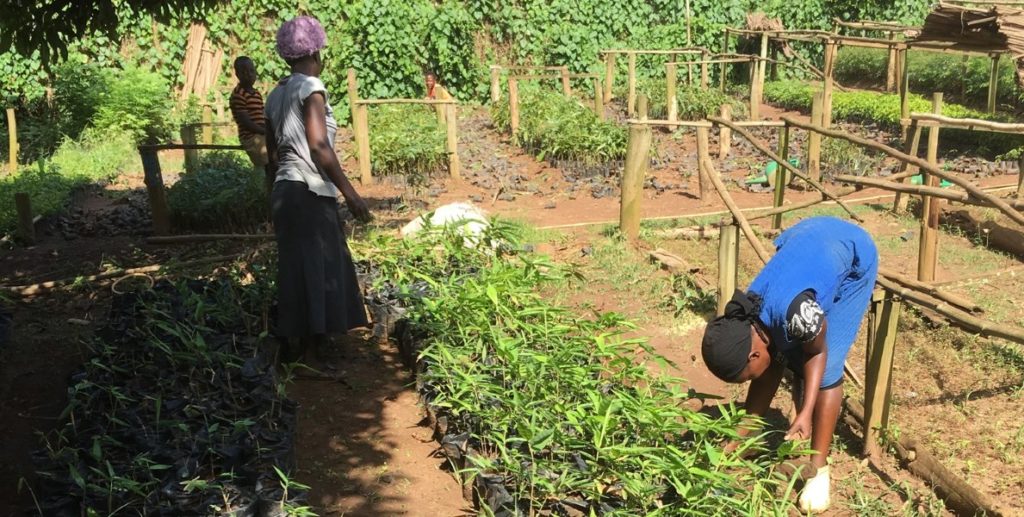
Fachjan a précédemment rejoint le projet Bamboo Village Uganda, une initiative qui permet aux consommateurs et aux entreprises de compenser les émissions de CO2 en plantant du bambou en Ouganda.
Planter du bambou contribue directement à la lutte contre le changement climatique. Le bambou est un excellent lieu de stockage du CO2, le plus important gaz à effet de serre responsable du réchauffement de la planète. Fachjan ne compense pas moins de 1,9 million de kilos de CO2. On peut y planter plus de 7 000 mètres carrés de bambou.
Bamboo Village Uganda ne lutte pas seulement contre le réchauffement climatique, il offre également à la population ougandaise une chance pour un avenir meilleur. Le projet fournit des emplois et un abri sûr et durable grâce à la construction de maisons.
Devenez un “Friend/Ami” de Bamboo Village Uganda. Pour plus d’informations, voir: Let’s be Friends – Bamboo Village Uganda











En Anglais
Research Wageningen Environmental Research:
“Costs for purchasing plants are recouped in 1 year”
Employees find a workspace with plants more attractive than a space without plants. Plants provide higher humidity, contribute to a more positive state of mind, lead to more satisfaction among employees about their own functioning and less absenteeism. This is shown by research by Wageningen Environmental Research in collaboration with Fytagoras and a number of institutions and companies (PRIVA, Novi fl ora, IVN, De Groene Stad, Royal FloraHolland, Dark Green and DGBC). The results are presented January 31st 2019 at the DGBC congress Building Green, Smart and Healthy.
The costs for the purchase and maintenance of plants can generally be recouped within one year. Mainly due to lower absenteeism and better functioning of employees. Then the investment in plants yields money. Plants are also a cheap alternative to increase humidity in workspaces or to cool spaces in the summer. This can be used in climate control for further energy savings.
Research design
The research was carried out at various companies and healthcare institutions. At each company there is always a space with workplaces equipped with plants with a similar workspace without plants. At nursing homes, living rooms or general areas are equipped with plants or not. Researchers placed sensors in both rooms to determine the physical differences in the indoor climate. The employees who worked in these spaces gave their opinion about the workplace, the indoor climate, the working atmosphere, their state of mind, well-being and health, both before and after the plants were placed. Concentration tests were also conducted and the cortisol content (a stress hormone) of the participants was determined.
Six positive effects:
The study showed six positive effects that can be linked to the presence of plants in the workspace.
• Humidity: the relative humidity in rooms with plants is on average about 5% higher than in rooms without plants. In winter, up to 17% improvement was measured.
• Thermal comfort: employees experience the temperature in an office space with plants less quickly as too hot or too cold.
• More attractive: people judge their workplace as more attractive after planting (an increase of 26%).
• state of mind: the state of mind of employees is more positive after the planting than before. Employees from one company are also less worried about work outside working hours.
• Satisfaction with functioning: after the planting, employees are more satisfied with their own performance than they are before. This also applies to their expectation of how satisfied the employer is about this performance.
• Less absenteeism: people who work in a room with plants report sick 20% less often. This amounts to an average of 1.6 sick days per employee per year.
Health care institutions also took part in the study. The planting is assessed positively by the care workers who work in a living room with plants. Nevertheless, the effects on the indoor climate found at companies are not shown here. “An important reason is the limited mobility of the elderly, so that the doors are often left open,” explains Tia Hermans, Wageningen Environmental Research project leader. “This means that the effect of the plants is shared with a larger space than we had anticipated. That can occur in practical research. ”
Follow-up research
There will be a follow-up study to further develop the business case of the payback period. Tia Hermans: “We know that entrepreneurs and employers only switch to large-scale application of plants in companies if they see a business case that convinces. We will now further develop this business case at multiple locations. In this way we want to make it more attractive for employers, but also facility services and personnel affairs, to invest in a green indoor climate in the workplace”.

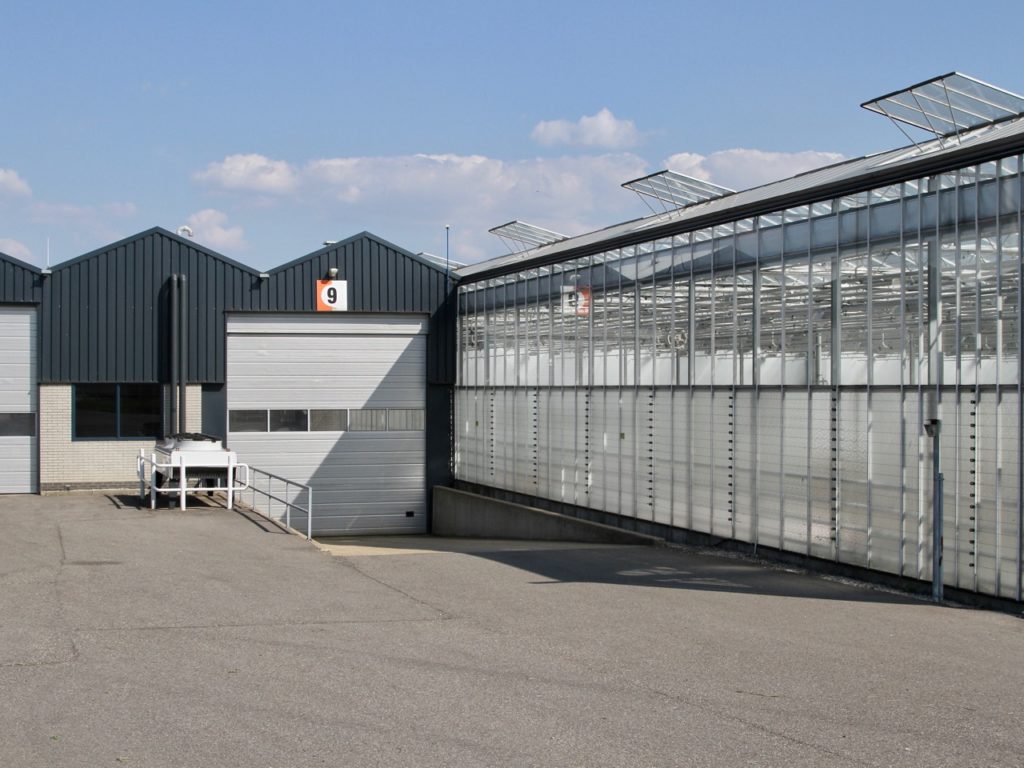
A new year with a start in our new (additional), 4 ha. large company in ‘s Gravenzande. The first plants are potted. This year, step by step, the greenhouses will be filled and more employees will be employed. A nice start to a challenging and beautiful plant year.

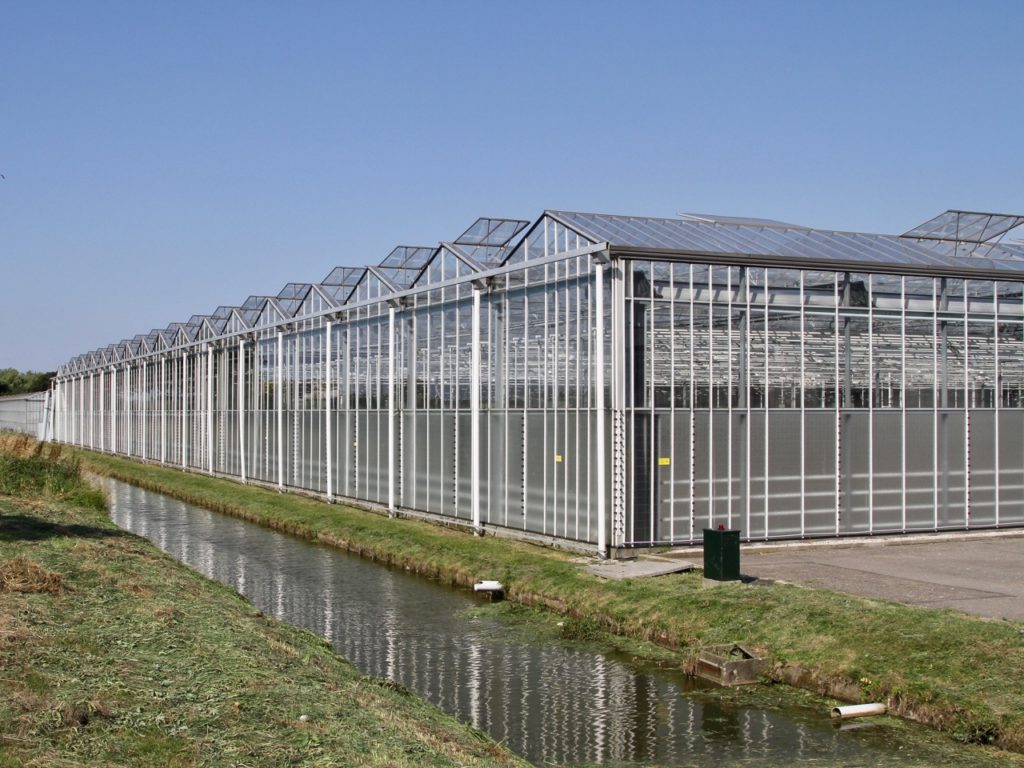

Fachjan compense 1,9 million de kilos de carbone en plantant du bambou
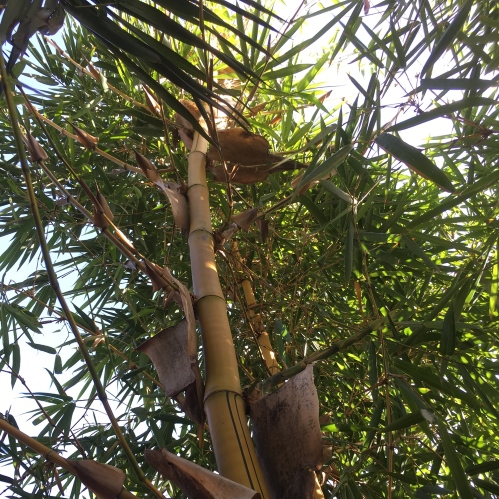
Fachjan se joint à la lutte contre le changement climatique et la pauvreté et va compenser 1,9 million de kilos de carbone en plantant du bambou au Bamboo Village Uganda.
Cette contribution permet au projet Bamboo Village Uganda de cultiver plus de 7 000 mètres carrés de bambou. Fachjan est une entreprise où la passion des plantes s’allie à l’amour des gens et de la planète. La durabilité est un aspect clé de notre entreprise familiale. Nous faisons partie de la communauté grandissante des producteurs de Fair Flora. Les plantes horticoles cultivent les plantes Fair Flora qui démontrent en permanence leurs efforts (et leurs réalisations) pour travailler de manière aussi durable que possible.
Réduction de l’empreinte carbone
Fachjan non seulement compense son empreinte carbone, mais réussit également à la réduire. La serre de 57 000 m2 est chauffée par la géothermie et le toit est couvert de panneaux solaires, ce qui réduit énormément la quantité de combustibles fossiles nécessaires pour alimenter la serre. Le système d’irrigation ultra-moderne réduit considérablement la quantité d’eau utilisée pour faire pousser les plantes.
Plus d’informations sur les initiatives de développement durable de Fachjan sur le site de Fair Flora


Fachjan will expand with a new company. Recently, the purchase contract was signed for the purchase of a business of approx. 4 ha. of glass. The new company is completely in concrete and illuminated. The delivery will take place in week 20 of 2019. Up to that time there is a run-up / run-out period to make everything run smoothly so that Fachjan has extra space available from week 1 of 2019.
Due to the strong growth of Fachjan in recent years and the increasing demand for green plants, both in the Netherlands and internationally, the new company is required to expand the range and increase the numbers. In this way we can respond even better to our customers’ demand for large parties, fast delivery and continuous quality. The expansion also creates new jobs.
Challenge us with your next green projects – Looking forward to your inquiries.