Lean works.
Switching directly with the people you need.
No excess ballast, we keep it simple.

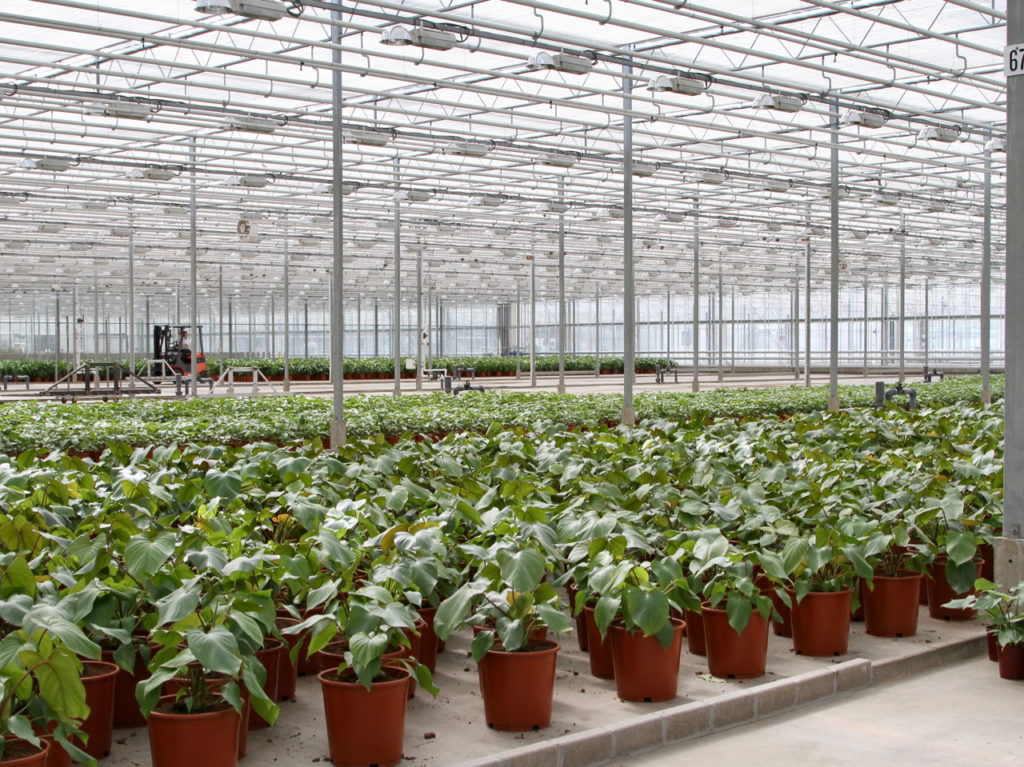
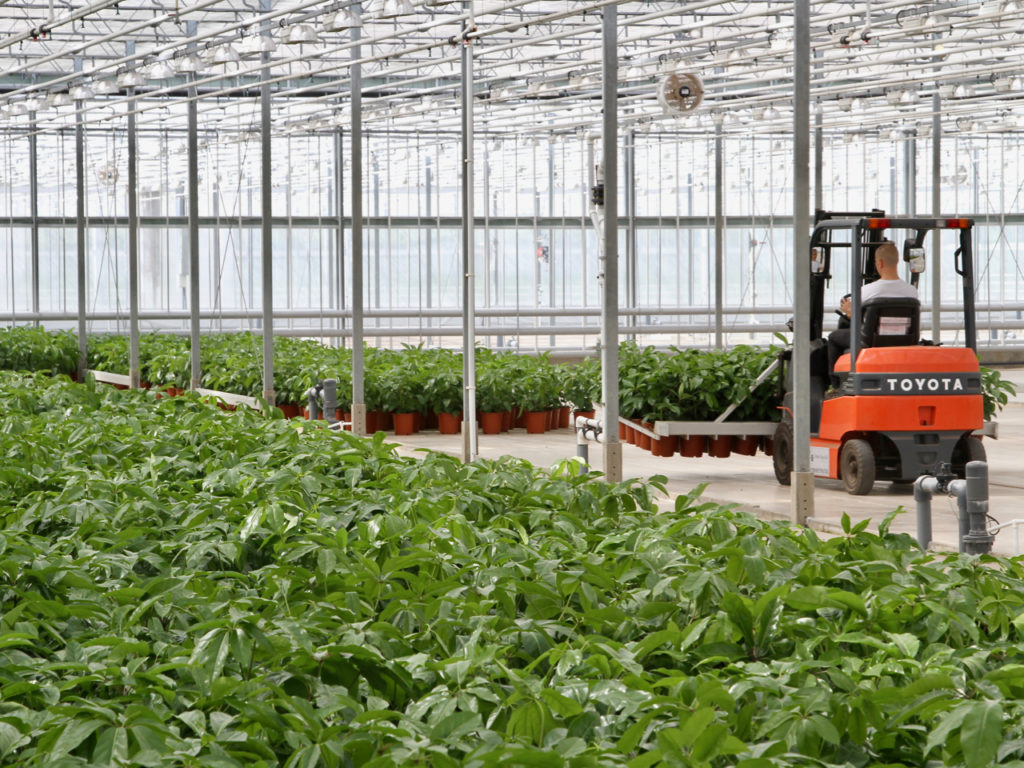
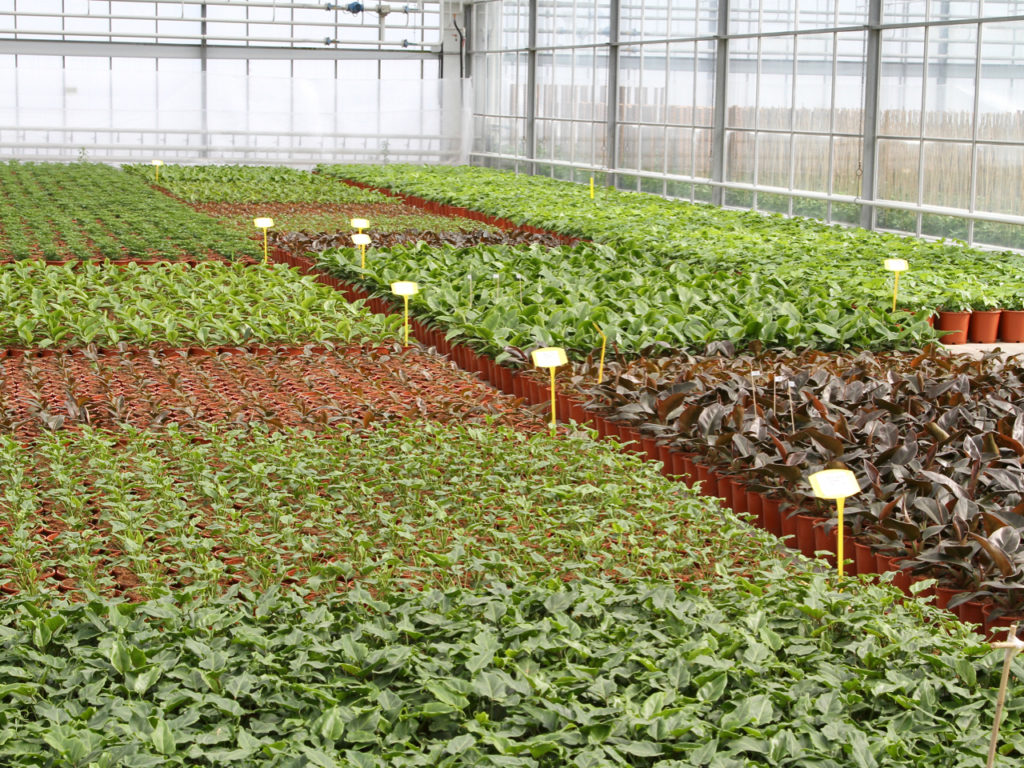
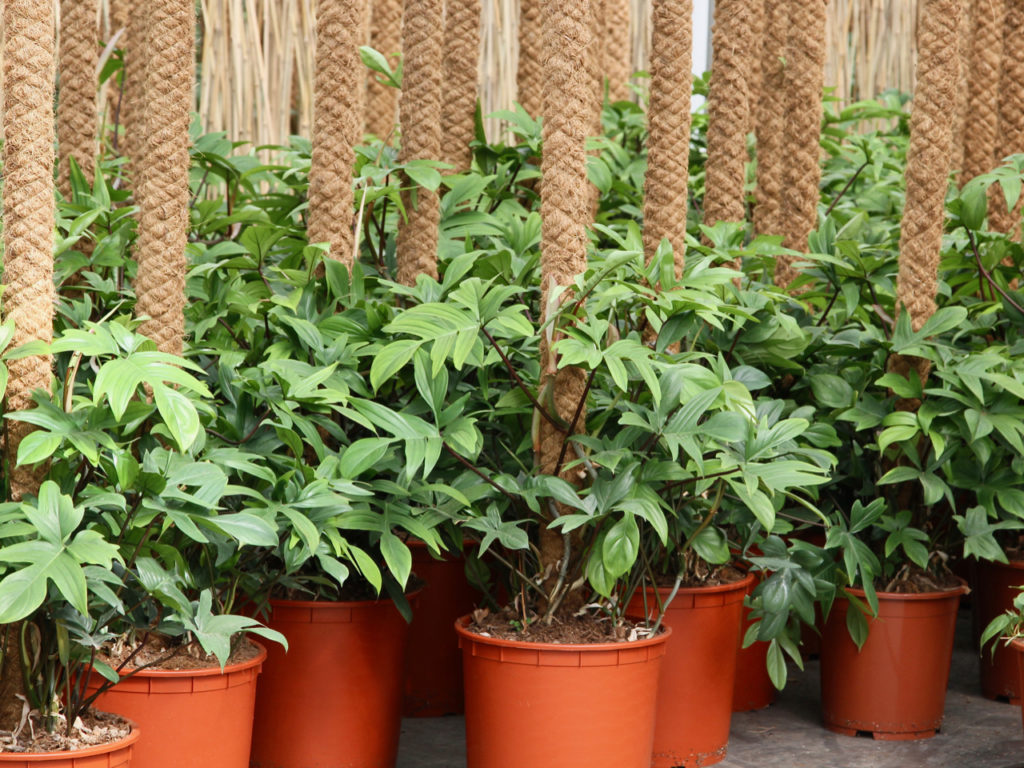
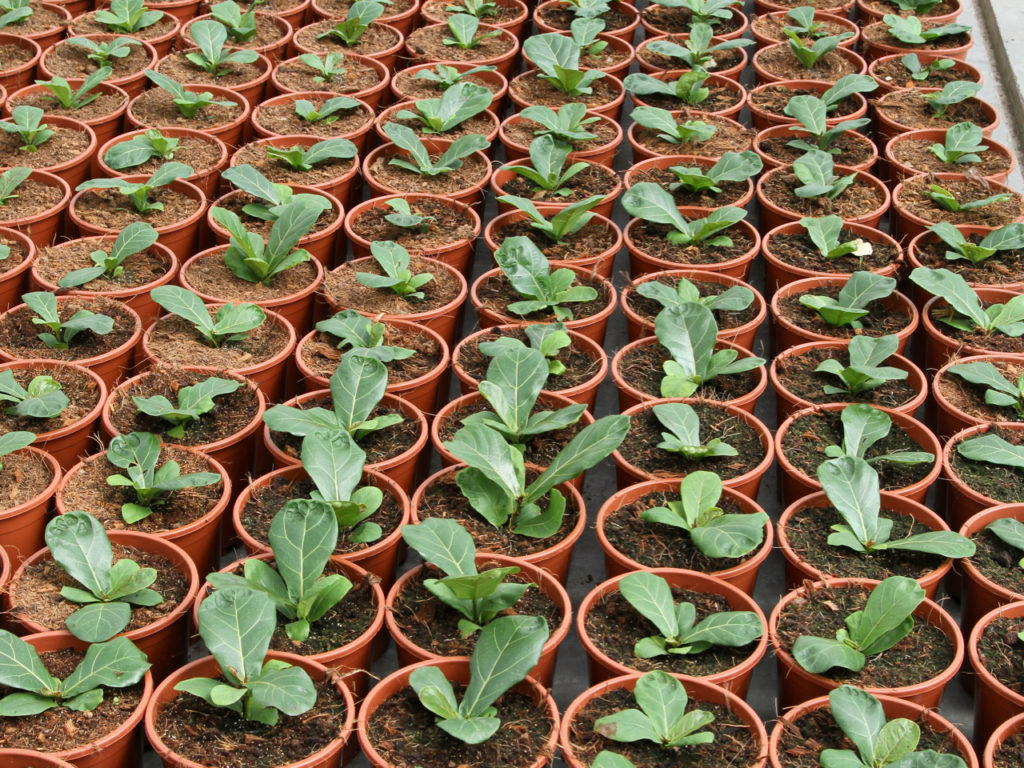
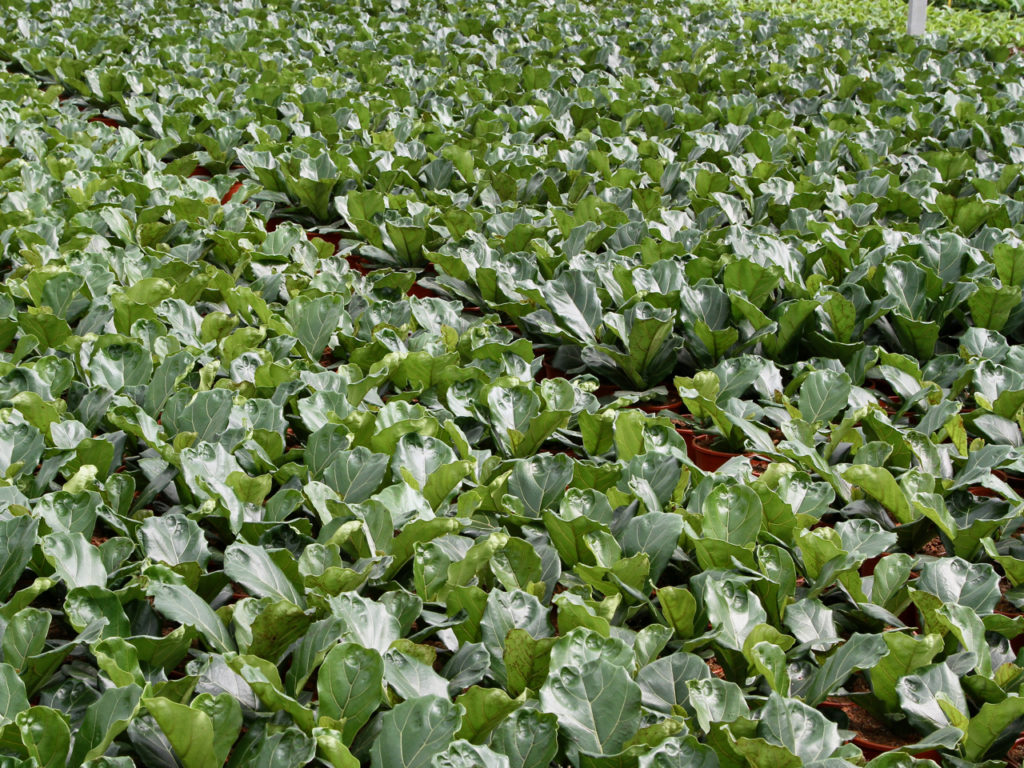
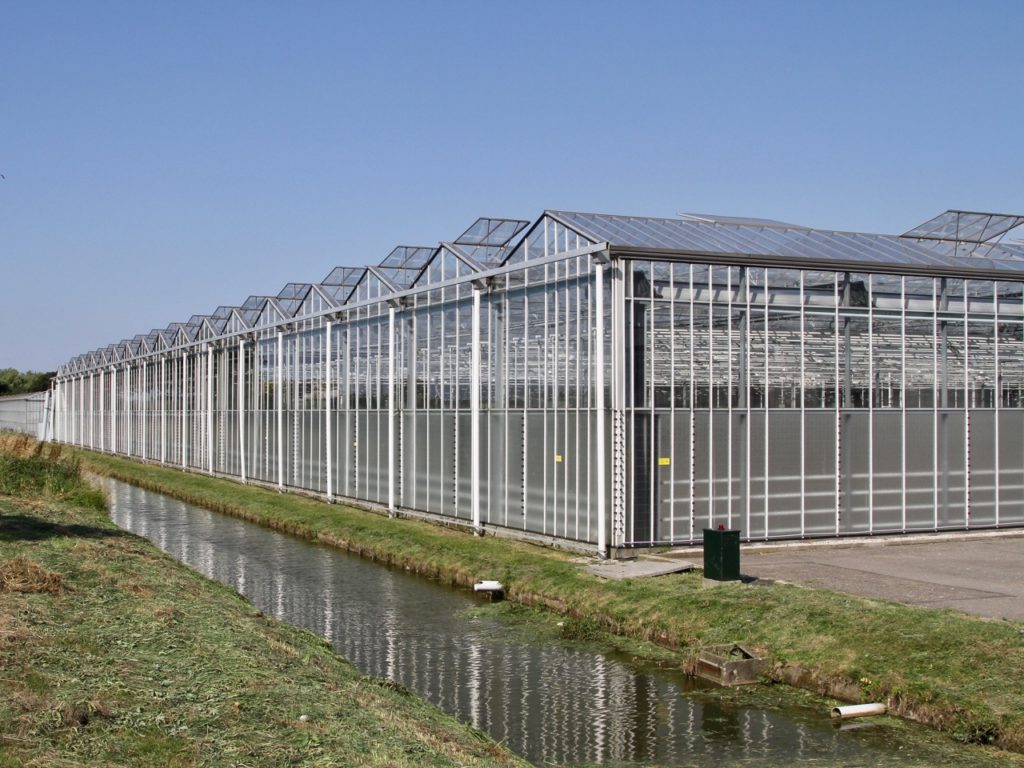
Lots of plant growth activity in the greenhouses of our new nursery in ‘s Gravenzande. Ficus lyrata, Schefflera Amate, Philodendron varieties and much more ….



Fachjan recently became “Excellent Friend” of “Bamboo Village Uganda”.
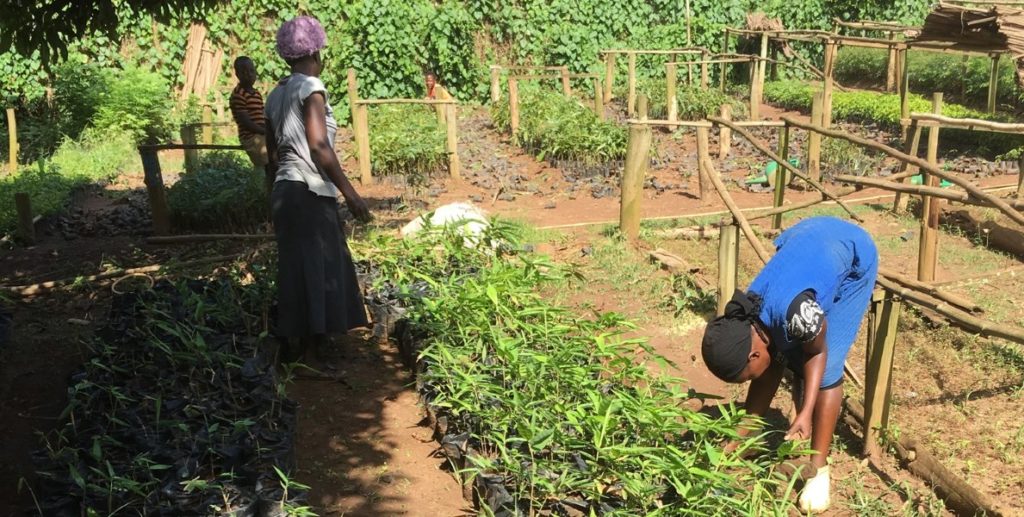
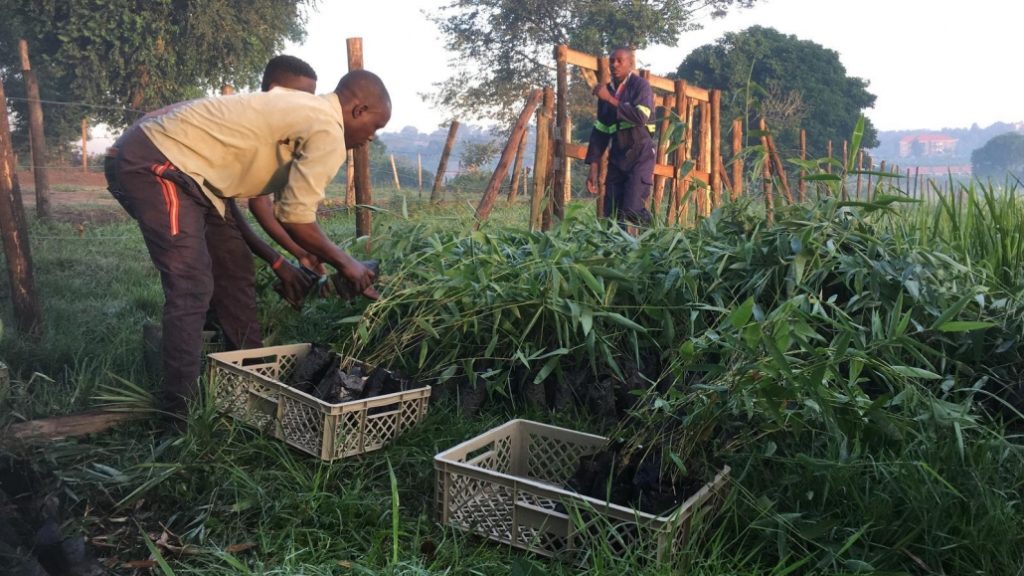
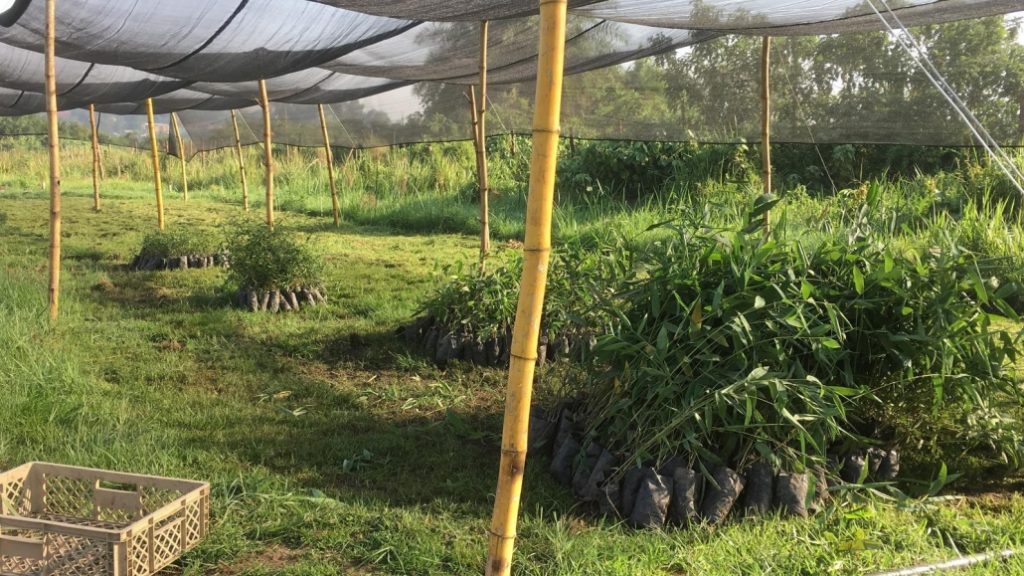
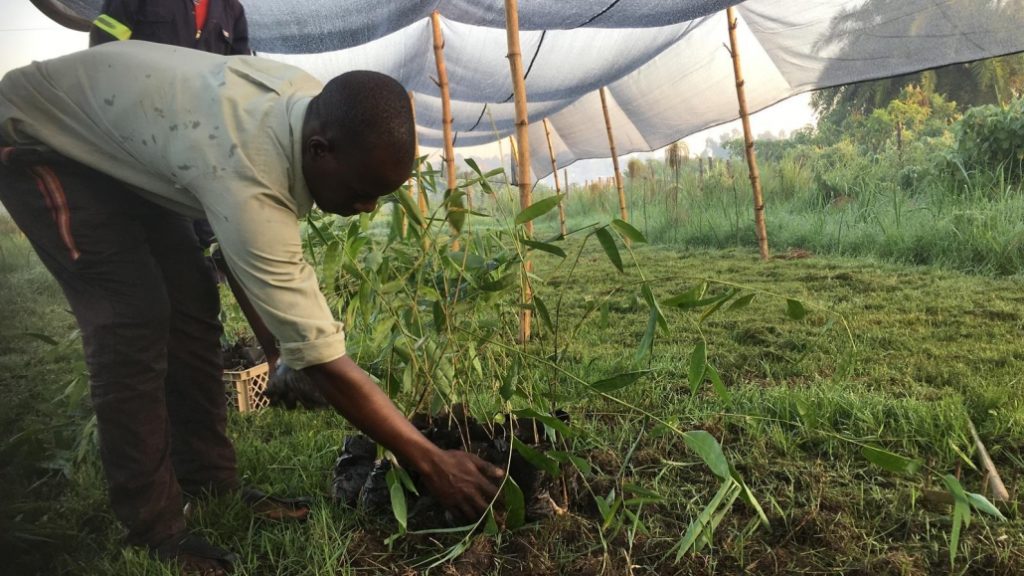
Fachjan has previously joined the Bamboo Village Uganda project, an initiative that enables consumers and companies to compensate for CO2 emissions by planting bamboo in Uganda.
Planting bamboo contributes directly to the fight against climate change. Bamboo is an excellent storage place for CO2, the most important greenhouse gas responsible for global warming. Fachjan compensates no less than 1.9 million kilos of CO2. More than 7 thousand square meters of bamboo can be planted with it.
Bamboo Village Uganda not only fights global warming, it also offers the people of Uganda a chance for a better future. The project provides employment and a safe and sustainable shelter through the construction of houses.
Become a friend of Bamboo Village Uganda. For information see: Let’s be Friends – Bamboo Village Uganda














Research Wageningen Environmental Research:
“Costs for purchasing plants are recouped in 1 year”
Employees find a workspace with plants more attractive than a space without plants. Plants provide higher humidity, contribute to a more positive state of mind, lead to more satisfaction among employees about their own functioning and less absenteeism. This is shown by research by Wageningen Environmental Research in collaboration with Fytagoras and a number of institutions and companies (PRIVA, Novi fl ora, IVN, De Groene Stad, Royal FloraHolland, Dark Green and DGBC). The results are presented January 31st 2019 at the DGBC congress Building Green, Smart and Healthy.
The costs for the purchase and maintenance of plants can generally be recouped within one year. Mainly due to lower absenteeism and better functioning of employees. Then the investment in plants yields money. Plants are also a cheap alternative to increase humidity in workspaces or to cool spaces in the summer. This can be used in climate control for further energy savings.
Research design
The research was carried out at various companies and healthcare institutions. At each company there is always a space with workplaces equipped with plants with a similar workspace without plants. At nursing homes, living rooms or general areas are equipped with plants or not. Researchers placed sensors in both rooms to determine the physical differences in the indoor climate. The employees who worked in these spaces gave their opinion about the workplace, the indoor climate, the working atmosphere, their state of mind, well-being and health, both before and after the plants were placed. Concentration tests were also conducted and the cortisol content (a stress hormone) of the participants was determined.
Six positive effects:
The study showed six positive effects that can be linked to the presence of plants in the workspace.
• Humidity: the relative humidity in rooms with plants is on average about 5% higher than in rooms without plants. In winter, up to 17% improvement was measured.
• Thermal comfort: employees experience the temperature in an office space with plants less quickly as too hot or too cold.
• More attractive: people judge their workplace as more attractive after planting (an increase of 26%).
• state of mind: the state of mind of employees is more positive after the planting than before. Employees from one company are also less worried about work outside working hours.
• Satisfaction with functioning: after the planting, employees are more satisfied with their own performance than they are before. This also applies to their expectation of how satisfied the employer is about this performance.
• Less absenteeism: people who work in a room with plants report sick 20% less often. This amounts to an average of 1.6 sick days per employee per year.
Health care institutions also took part in the study. The planting is assessed positively by the care workers who work in a living room with plants. Nevertheless, the effects on the indoor climate found at companies are not shown here. “An important reason is the limited mobility of the elderly, so that the doors are often left open,” explains Tia Hermans, Wageningen Environmental Research project leader. “This means that the effect of the plants is shared with a larger space than we had anticipated. That can occur in practical research. ”
Follow-up research
There will be a follow-up study to further develop the business case of the payback period. Tia Hermans: “We know that entrepreneurs and employers only switch to large-scale application of plants in companies if they see a business case that convinces. We will now further develop this business case at multiple locations. In this way we want to make it more attractive for employers, but also facility services and personnel affairs, to invest in a green indoor climate in the workplace”.

A new year with a start in our new (additional), 4 ha. large company in ‘s Gravenzande. The first plants are potted. This year, step by step, the greenhouses will be filled and more employees will be employed. A nice start to a challenging and beautiful plant year.


Fachjan compensates 1,9 million kilos of carbon by planting bamboo
Fachjan is joining the fight against climate change and poverty and will compensate a whopping 1,9 million kilos of carbon by planting bamboo at Bamboo Village Uganda
This contribution enables the Bamboo Village Uganda Project to grow more than 7 thousand square meters of bamboo. Fachjan is a company where a passion for plants is combined with love for people and planet. Sustainability is a key aspect of our family business. We are part of the expanding community of Fair Flora growers. Fair Flora plants are grown by horticulture companies that continuously demonstrate their efforts (and achievements) to work as sustainable as possible.
Carbon footprint reduction
Fachjan not only compensates its carbon footprint, we also successfully achieve to reduce it. The 57 thousand m2 greenhouse is heated by geothermal energy and the roof is covered by solar panels, hugely reducing the amount of fossil fuels needed to power the greenhouse. The hyper-modern irrigation system significantly cuts down the amount of water used to grow the plants.
Read more about the sustainability initiatives of Fachjan on the website of Fair Flora